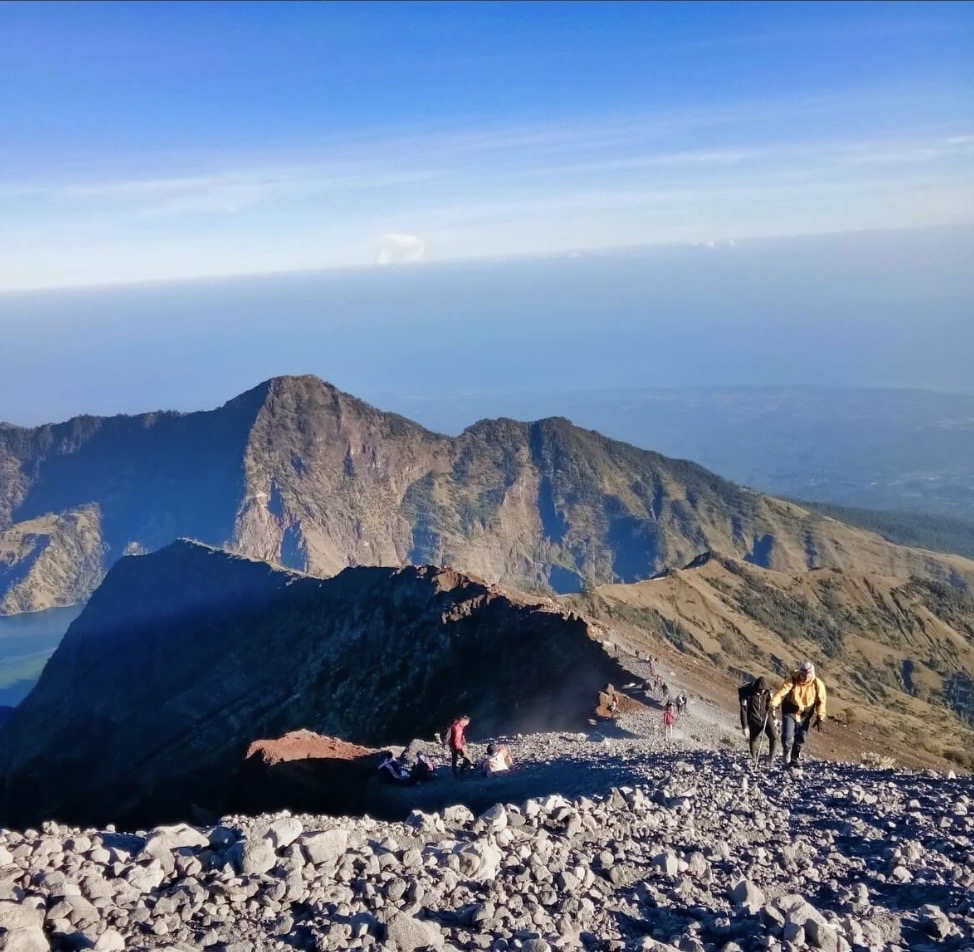
Mount Rinjani is one of Lombok’s nature-adventure destinations. Trekking here requires more than a desire to see the scenery: you need physical readiness, suitable equipment, and a plan that follows Mount Rinjani National Park rules. Reaching the summit is not the only goal; a safe trip suited to your ability matters far more.
01. Choosing a Route: Sembalun or Senaru?
Sembalun and Senaru are two well-known entry points for climbing Rinjani. Sembalun is known for its open landscapes, while the Senaru approach passes through forest toward the ridge. Permitted routes and destinations can change; ask about the latest access before deciding on your trip.
Distinguish between destinations at the pelawangan (crater rim), the summit, and Lake Segara Anak. They do not have the same physical demands or time requirements. Do not assume every trekking option includes both the lake and summit. Discuss elevation, terrain, overnight stops, and the descent route with your trip provider.
02. Planning Around Your Schedule and Budget
Allow time to reach the starting village, rest, and attend the briefing before climbing. The number of days should match your destination, walking ability, and the route currently open—not simply the shortest itinerary.
Request a written cost breakdown covering the entry permit, guide, porter, transport, accommodation before the trek, food, drinking water, tent, sleeping bag, and personal equipment. Confirm what the porter will carry and what you must carry yourself. This article is not a package offer and does not set any prices or specify inclusions.
Avoid scheduling a flight too close to your expected descent time. Weather, participant condition, and route changes can make the trip take longer than expected.
03. Physical Preparation and Equipment
Gradually train for walking, including uphill and downhill terrain, before your trip. Tell your guide about your medical history and any medications; consult a health professional if you have a condition that could affect activity at altitude.
- Well-broken-in trekking shoes. Choose soles with good grip and bring spare socks.
- Layered clothing and rain protection. Pack warm layers, a jacket, and protection to keep your belongings dry.
- Headlamp and backup power. Do not rely solely on your phone’s light.
- Water, snacks, and personal medication. Ask your guide about the water supply plan along the route.
- Sun protection and hygiene. Bring a hat, sunscreen, a trash bag, and any necessary personal supplies.
04. Permits, Weather, and Route Openings
Check official Mount Rinjani National Park announcements about routes, quotas, bookings, and trekking requirements. Confirm the permit process and required documents through official channels or a trip provider that follows national park rules.
Closures may be imposed for weather, safety, or area management. Do not rely on a general calendar as a guarantee that a route will be open on your dates. This article does not confirm current opening status; check again closer to departure and follow officials’ decisions.
05. Put Safety First and Protect Rinjani
Stay with your group and follow a guide who knows the route and emergency procedures. Fog, wind, rain, and steep terrain can change plans. Do not push for the summit when conditions are unfavorable.
If you experience a headache, nausea, dizziness, or unusual fatigue at altitude, tell your guide immediately and do not continue upward. Severe symptoms, such as breathlessness while resting, confusion, or difficulty walking, require immediate help and evacuation management. Turning back early is not a failure.
Carry out your rubbish, stay on permitted trails, and do not feed wildlife. Respect places considered important by local communities and follow camping rules. Views and natural conditions may differ from photos or illustrations.
Official Trekking Information
Check the latest announcements, requirements, and booking channels from the national park authority before departure.
Mount Rinjani National Park Authority